
I prefer legends to apparitions. Legends teach me aspects of truth, even if the facts are questionable. Apparitions scare me into running for the hills and hiding under rocks. Here, then, is my favorite legend of Mary, also known as Theotokos:
Once, there was a nun named Beatrix, who was the custodian of a convent. She was called the Keeper of the Keys. Beatrix was beautiful in form and devout in spirit, but unwise to the temptations of the outside world. A traveler came to the doors one day, and developed a strong passion for Beatrix. He urged and coaxed her to run away with him. Beatrix tried to resist, but the desire to know earthly love was strong, and at last, she consented to leave the convent. Before she left, Beatrix laid her keys at the foot of the statue of the Virgin Mary.
"Dear Lady, I have served you as devoutly as I could, but I can no longer withstand the temptations of the flesh” she said. “I resign these keys to you. Please guard my loved ones within the convent and remember me when I am out in the world.”
After a few days, the traveler abandoned Beatrix. “You are no longer a nun, but you shall not be my wife,” he said. Beatrix despaired. In that time, a woman had only a few choices for her livelihood: she could marry, join the convent, or live on the streets. Beatrix was too ashamed to return to the convent, so she spent the next fifteen years in the city streets doing whatever what was required to survive.
One day, Beatrix returned to her convent, dressed in rags and gaunt with street living. She could not bear to live in the streets another day, and hoped that perhaps the convent would give her a meager job to finish out her days. She walked up to the door-keeper and inquired, “Did you ever hear of a nun called Sister Beatrix? She was the custodian of this place, and was called the keeper of the keys.”
The doorkeeper said, “Yes, and she still is! She is an honest and holy woman who has loyally served this convent since she was a young woman. There she is, over in the courtyard.” Beatrix looked, and saw a woman sweeping the flagstones. She walked up to the woman to inquire who the person actually was.
The woman turned to her. Beatrix shook, and knelt. “Dear Lady,” Beatrix murmured, scarcely able to believe her senses.
“Yes,” the Lady said, “I have served in your place these past fifteen years. No one knows of your absence. Now, return to your place and do penance, for you are my keeper of the keys.” With many tears, Beatrix thanked the Lady and resumed her place as custodian. It was not until just before her death that anyone knew the Blessed Virgin Mother had served the convent so that Beatrix might receive the gift of mercy.
Monday, March 28, 2005


Friday, March 25, 2005
Duck, Duck... Goose?

Is this little felt animal a duck or a goose? I originally designed the pattern from a gosling template, but then I made the neck too short. It looks more like a duck. Lucia, however, calls it a goose. I am inclined to agree with her, simply because I know more good stories about geese than I do about ducks. My favorite one is the classic tale of treachery followed by justice, ”The Goose Girl”.
The novel based on the fairy tale by Shannon Hale is worth reading. It is faithful to the original while providing new character developments and elements of suspense. Please take a look at her blog and website, Squeetus, as well. I had to laugh out loud with recognition when I read "10 Unrequested Suggestions Made to an Unpublished Novelist." The one question I would add: "Why don't you try writing greeting cards?"
Wednesday, March 23, 2005
Lady Lavender, the Little Rooster, the Diamond Button
I was a reader of stories for most of my life, but I was not always a storyteller. In fourth grade, I attended school assembly that featured traveling minstrels. They told stories and used their instruments for sound effects and mood control. At one point, they asked for a volunteer from the audience to tell a story. I volunteered. I was pretty shy as a rule, but I thought that storytelling was one of the few things I could do. I opened my mouth to begin, and nothing came out. I tried again. My mind was blank. I felt wretched, and I wanted to sit back down. Really, I wanted to run away.
One of the musicians said, “Why don’t you ask a friend to help you?” Jenny, who was sometimes my friend, but who was always cool, stood up and said that we could tell Jackie Torrence's ghost-story called “Lavender.” (If you can find an out-of-print audio-cassette copy, the story is on Torrence’s album called “Jump Tales.”) As Jenny began the story of the mysterious woman who appeared on the road to ask for a lift from a driver, my memory returned, and I was able to continue the story. Still, the experience was humiliating to me. I decided that I couldn’t tell stories. Despite a few feeble attempts in college, I just didn’t have the knack.
Then, in library school, I took a storytelling course by Anne Sheldon. (Memo to Anne: you really need a website so I can link to you properly!) Our one required textbook was Margaret Read MacDonald’s Twenty Tellable Tales, but Anne gave us many resources to look for stories we’d like to tell. Our first story was “The Little Rooster and the Diamond Button.” Anne told it to us once, and then had us go around the room telling different parts of the story. It didn’t matter that we stumbled and fumbled, forgot and embellished. We got over our initial fears in a safe setting. Anne told us that most people could become good storytellers and a few people could become great storytellers. What was important was finding stories we loved to tell, learning them, telling them, and telling them again.
I gained so much confidence during that storytelling course. A librarian friend of mine was not so lucky in her class a few states North from me: the professor gave my friend a “B” and said she would not make a good storyteller because her voice was squeaky. (This is not true! Rather, I suspect the professor made my friend nervous, and her voice went up as a result.) Please, be wary of those experts who offer unconstructive criticism. If you want to tell stories, I give you whatever permission you need to do so. I’d recommend practicing on kindly friends first. They are a bit more detached from you than family members, and they are great at letting you start over, forget, stumble, remember, and move on. Memorize your beginnings and your ending. Keep telling your stories.
One of the musicians said, “Why don’t you ask a friend to help you?” Jenny, who was sometimes my friend, but who was always cool, stood up and said that we could tell Jackie Torrence's ghost-story called “Lavender.” (If you can find an out-of-print audio-cassette copy, the story is on Torrence’s album called “Jump Tales.”) As Jenny began the story of the mysterious woman who appeared on the road to ask for a lift from a driver, my memory returned, and I was able to continue the story. Still, the experience was humiliating to me. I decided that I couldn’t tell stories. Despite a few feeble attempts in college, I just didn’t have the knack.
Then, in library school, I took a storytelling course by Anne Sheldon. (Memo to Anne: you really need a website so I can link to you properly!) Our one required textbook was Margaret Read MacDonald’s Twenty Tellable Tales, but Anne gave us many resources to look for stories we’d like to tell. Our first story was “The Little Rooster and the Diamond Button.” Anne told it to us once, and then had us go around the room telling different parts of the story. It didn’t matter that we stumbled and fumbled, forgot and embellished. We got over our initial fears in a safe setting. Anne told us that most people could become good storytellers and a few people could become great storytellers. What was important was finding stories we loved to tell, learning them, telling them, and telling them again.
I gained so much confidence during that storytelling course. A librarian friend of mine was not so lucky in her class a few states North from me: the professor gave my friend a “B” and said she would not make a good storyteller because her voice was squeaky. (This is not true! Rather, I suspect the professor made my friend nervous, and her voice went up as a result.) Please, be wary of those experts who offer unconstructive criticism. If you want to tell stories, I give you whatever permission you need to do so. I’d recommend practicing on kindly friends first. They are a bit more detached from you than family members, and they are great at letting you start over, forget, stumble, remember, and move on. Memorize your beginnings and your ending. Keep telling your stories.
Tuesday, March 22, 2005
One Eye, Two Eyes, Three Eyes
I have always had some sympathy for One Eye and Three Eyes in this fairy tale by the Brothers Grimm. They shouldn't have been cruel to Two Eyes, but it's just as hard to relate to someone who has an accepted, conventional beauty in an "oddball" family as it is to have a child with unusual features in what some might consider a typical family.
Lucia, my toddler daughter has a relatively rare eye-condition called PHPV We all hope that her left eye continues to grow at a similar rate as her right eye, but who knows what will happen? I will think she's beautiful no matter how the left eye grows, but sometimes the imagined scenarios haunt me.
My wish is that everyone might share the gold apples with leaves of silver from the magical tree of Two Eyes.
Lucia, my toddler daughter has a relatively rare eye-condition called PHPV We all hope that her left eye continues to grow at a similar rate as her right eye, but who knows what will happen? I will think she's beautiful no matter how the left eye grows, but sometimes the imagined scenarios haunt me.
My wish is that everyone might share the gold apples with leaves of silver from the magical tree of Two Eyes.
Monday, March 21, 2005
Alkelda's answers to the Cube game
Here is my backdated post for The Cube:
The desert sand is pale and sparkly. The sand is fine and slips through the fingers as if it were silk. There are plants dotting the landscape. The sky is blue but streaked with white. Even though the setting is spare, there is warmth to it that has nothing to do with the heat. In fact, as deserts go, this one has a chill in the air that is quite pleasant to feel contrasted with the warmth of the sun.
The cube is translucent with deep pink, red, and orange shots of color. It is like a piece of rosewater Turkish Delight. It hovers above the ground, and casts a shadow. It revolves slowly, with one of the corners pointing down, and it makes a whooshing noise. It is the size of a small living-room.
There is a medium brown wooden ladder leaning against the cube. I’m not sure how it manages to lean against the Cube while the Cube revolves, but it does. The ladder is smooth and polished, with 5 or 6 rungs. The rungs are slippery unless you go up the ladder with bare feet.
All of a sudden, on the horizon, a horse gallops toward the Cube. It runs circles around the Cube, paws the ground and lifts its forefeet in the air a la the poster shots of The Black Stallion. The horse is dun colored, which is odd to me, because if I were to choose a horse based on color, I would choose a black, glistening horse. It has no bridle and no saddle, but it is friendly and approachable. However, it wants to remind me that in the end, it is wild.
The storm comes suddenly, and the sky turns from streaked blue and white to dark red and purple, with fierce rains beating down upon the sand. The inner translucent light of the Cube is dimmed. Thunder booms, water runs into the ground, and rivulets turn into little rivers. The horse is wet, but stays by the Cube, its mane plastered to its neck, no longer running around, but staying close to the Cube. The Cube is not revolving now. It is still, waiting for the storm to abate.
As suddenly as the storm appeared, it vanishes. All of a sudden, bright flowers bloom all over the desert. The air is heavy with moisture, and there are birds singing their relief. Everything is washed clean, cleaner than it was in the beginning, yet at the same time there is good rich mud where none existed before. How is this possible in the desert with the sand? The landscape is changed. It is no longer desert, but it is not quite meadowland. There are hibiscus flowers in this landscape, and I don’t know if that’s possible in a desert. But there they are.
The desert sand is pale and sparkly. The sand is fine and slips through the fingers as if it were silk. There are plants dotting the landscape. The sky is blue but streaked with white. Even though the setting is spare, there is warmth to it that has nothing to do with the heat. In fact, as deserts go, this one has a chill in the air that is quite pleasant to feel contrasted with the warmth of the sun.
The cube is translucent with deep pink, red, and orange shots of color. It is like a piece of rosewater Turkish Delight. It hovers above the ground, and casts a shadow. It revolves slowly, with one of the corners pointing down, and it makes a whooshing noise. It is the size of a small living-room.
There is a medium brown wooden ladder leaning against the cube. I’m not sure how it manages to lean against the Cube while the Cube revolves, but it does. The ladder is smooth and polished, with 5 or 6 rungs. The rungs are slippery unless you go up the ladder with bare feet.
All of a sudden, on the horizon, a horse gallops toward the Cube. It runs circles around the Cube, paws the ground and lifts its forefeet in the air a la the poster shots of The Black Stallion. The horse is dun colored, which is odd to me, because if I were to choose a horse based on color, I would choose a black, glistening horse. It has no bridle and no saddle, but it is friendly and approachable. However, it wants to remind me that in the end, it is wild.
The storm comes suddenly, and the sky turns from streaked blue and white to dark red and purple, with fierce rains beating down upon the sand. The inner translucent light of the Cube is dimmed. Thunder booms, water runs into the ground, and rivulets turn into little rivers. The horse is wet, but stays by the Cube, its mane plastered to its neck, no longer running around, but staying close to the Cube. The Cube is not revolving now. It is still, waiting for the storm to abate.
As suddenly as the storm appeared, it vanishes. All of a sudden, bright flowers bloom all over the desert. The air is heavy with moisture, and there are birds singing their relief. Everything is washed clean, cleaner than it was in the beginning, yet at the same time there is good rich mud where none existed before. How is this possible in the desert with the sand? The landscape is changed. It is no longer desert, but it is not quite meadowland. There are hibiscus flowers in this landscape, and I don’t know if that’s possible in a desert. But there they are.
Toads and Diamonds, by Charles Perrault
I've not shared this story with an audience because I haven't yet found a personal spin on the way I want to tell it. The Brothers Grimm version,"Mother Holle" is more vivid, and perhaps I could combine the two versions somehow.
I always thought of the kind daughter and the mean daughter as being aspects of the same person, that is, myself. The Dire Straits song, "The Bug," reminds me of the story you're about to read:
"Sometimes you're the windshield,
sometimes you're the bug.
Sometimes it all comes together, baby,
sometimes you're just a fool in love."
No kidding!
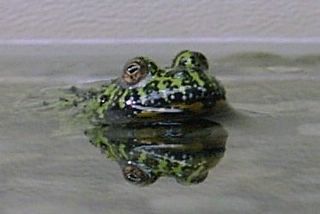
The story....
There was once upon a time a widow who had two daughters. The older looked so much like her mother and acted so much like her that whoever looked upon the daughter saw the mother. They were both so disagreeable and so proud that they were very hard to live with.
The younger was sweet and courteous. As people naturally love their own likeness, this mother spoiled her older daughter and at the same time was very mean to the younger daughter--she made her eat in the kitchen and work continually.
Among other things, this poor child was forced twice a day to bring home water in a pitcher from a well about a mile and a half from where the family lived. One day, as the younger daughter was at this fountain, there came to her a poor woman, who begged of her to let her drink.
"Oh! yes, with all my heart, ma'am," said kind girl; and rinsing immediately the pitcher, she took up some water from the clearest place of the fountain, and gave it to the old woman, holding up the pitcher all the while to make it easier for the woman to drink.
The old woman, having had her fill of water, said to her:
"You are so very kind, my dear that I want to give you a gift." For this was a fairy, who was dressed like a poor country woman, to see how far the kindess and good manners of this courteous girl would go.
"I will give you for a gift," continued the Fairy, "that, every time you speak, there shall come out of your mouth either a flower or a jewel."
When the kind girl came home her mother scolded her for staying so long at the fountain.
"I beg your pardon, mamma, for being so late," said the poor girl.
And in speaking these words there came out of her mouth two roses, two pearls, and two diamonds.
"What is it I see there?" said the mother, quite astonished. "I think I see pearls and diamonds come out of the girl's mouth! How does this happen, child?"
This was the first time she had ever called her child.
The poor creature told her honestly what had happened, and while speaking, dropping many diamonds out of her mouth.
"In good faith," cried the mother, "I must send your sister. Come here, my dearest; look what comes out of your sister's mouth when she speaks. Wouldn't you be glad, my dear, to have the same gift given to you? You don't have to do anything but go and draw water out of the fountain, and when a certain poor woman asks you to let her drink, to give it to her very kindly."
"It would be a very fine sight indeed," said this ill-mannered girl, "to see me go draw water."
"You shall go, you cantankerous girl!" said the mother; "and this minute."
So away the mean girl went, but complained the whole way there, taking with her the best silver tankard in the house.
She was no sooner at the fountain than she saw coming out of the wood a lady most beautifully dressed, who came up to the girl, and asked to drink. This was, you must know, the very fairy who appeared to the younger sister, but was now dressed and acted like a princess, to see how far this girl's rudeness would go.
"Am I here," said the proud, haughty girl, "to serve you with water? I suppose you think that I brought this silver tankard purely to serve you? However, you may drink out of it, if you want."
"You don't have many manners, do you," answered the Fairy, without getting upset. "Well, then, since you have so little breeding, and are so rude, I give you for a gift that at every word you speak there will come out of your mouth a snake or a toad."
So as soon as her mother saw her older daughter coming she cried out:
"Well, daughter?"
"Well, mother?" answered the rude girl, spitting out of her mouth two vipers and two toads.
"Oh! mercy," cried the mother; "what is this I see? Oh! it is that wretch her sister who has made this happen; but she shall pay for it." Immediately she ran to beat her. The poor child fled away from her mother, and went to hide herself in the forest, not far from the house.
The King's son, returning from a hunting trip, met the kind girl and asked her what she was doing there alone and why she was crying.
"Alas! sir, my mamma has turned me out of doors."
The King's son, who saw five or six pearls and as many diamonds come out of her mouth, asked her to tell him how that happened. She told him the whole story; and so, seeing how loving and kind she was, the King's son fell in love with her, and, took her to the palace of his father the King, and there married her.
As for the sister, she was so mean that even her own mother turned her out; and the miserable girl, having wandered about a good while without finding anybody to take her in, went deep into the woods and was never heard from again.
I always thought of the kind daughter and the mean daughter as being aspects of the same person, that is, myself. The Dire Straits song, "The Bug," reminds me of the story you're about to read:
"Sometimes you're the windshield,
sometimes you're the bug.
Sometimes it all comes together, baby,
sometimes you're just a fool in love."
No kidding!

The story....
There was once upon a time a widow who had two daughters. The older looked so much like her mother and acted so much like her that whoever looked upon the daughter saw the mother. They were both so disagreeable and so proud that they were very hard to live with.
The younger was sweet and courteous. As people naturally love their own likeness, this mother spoiled her older daughter and at the same time was very mean to the younger daughter--she made her eat in the kitchen and work continually.
Among other things, this poor child was forced twice a day to bring home water in a pitcher from a well about a mile and a half from where the family lived. One day, as the younger daughter was at this fountain, there came to her a poor woman, who begged of her to let her drink.
"Oh! yes, with all my heart, ma'am," said kind girl; and rinsing immediately the pitcher, she took up some water from the clearest place of the fountain, and gave it to the old woman, holding up the pitcher all the while to make it easier for the woman to drink.
The old woman, having had her fill of water, said to her:
"You are so very kind, my dear that I want to give you a gift." For this was a fairy, who was dressed like a poor country woman, to see how far the kindess and good manners of this courteous girl would go.
"I will give you for a gift," continued the Fairy, "that, every time you speak, there shall come out of your mouth either a flower or a jewel."
When the kind girl came home her mother scolded her for staying so long at the fountain.
"I beg your pardon, mamma, for being so late," said the poor girl.
And in speaking these words there came out of her mouth two roses, two pearls, and two diamonds.
"What is it I see there?" said the mother, quite astonished. "I think I see pearls and diamonds come out of the girl's mouth! How does this happen, child?"
This was the first time she had ever called her child.
The poor creature told her honestly what had happened, and while speaking, dropping many diamonds out of her mouth.
"In good faith," cried the mother, "I must send your sister. Come here, my dearest; look what comes out of your sister's mouth when she speaks. Wouldn't you be glad, my dear, to have the same gift given to you? You don't have to do anything but go and draw water out of the fountain, and when a certain poor woman asks you to let her drink, to give it to her very kindly."
"It would be a very fine sight indeed," said this ill-mannered girl, "to see me go draw water."
"You shall go, you cantankerous girl!" said the mother; "and this minute."
So away the mean girl went, but complained the whole way there, taking with her the best silver tankard in the house.
She was no sooner at the fountain than she saw coming out of the wood a lady most beautifully dressed, who came up to the girl, and asked to drink. This was, you must know, the very fairy who appeared to the younger sister, but was now dressed and acted like a princess, to see how far this girl's rudeness would go.
"Am I here," said the proud, haughty girl, "to serve you with water? I suppose you think that I brought this silver tankard purely to serve you? However, you may drink out of it, if you want."
"You don't have many manners, do you," answered the Fairy, without getting upset. "Well, then, since you have so little breeding, and are so rude, I give you for a gift that at every word you speak there will come out of your mouth a snake or a toad."
So as soon as her mother saw her older daughter coming she cried out:
"Well, daughter?"
"Well, mother?" answered the rude girl, spitting out of her mouth two vipers and two toads.
"Oh! mercy," cried the mother; "what is this I see? Oh! it is that wretch her sister who has made this happen; but she shall pay for it." Immediately she ran to beat her. The poor child fled away from her mother, and went to hide herself in the forest, not far from the house.
The King's son, returning from a hunting trip, met the kind girl and asked her what she was doing there alone and why she was crying.
"Alas! sir, my mamma has turned me out of doors."
The King's son, who saw five or six pearls and as many diamonds come out of her mouth, asked her to tell him how that happened. She told him the whole story; and so, seeing how loving and kind she was, the King's son fell in love with her, and, took her to the palace of his father the King, and there married her.
As for the sister, she was so mean that even her own mother turned her out; and the miserable girl, having wandered about a good while without finding anybody to take her in, went deep into the woods and was never heard from again.
Friday, March 18, 2005
St. Patrick
This is a day late, but I need to post a link to Galatea's comments on our illustrious patron saint of inebriation, St. Patrick. The feast of St. Patrick often comes at a time during Lent when people are in need of a little holiday from sacrifice and penance. Jokes aside, perhaps the drinking of good dark beer is appropriate for Lent.
Thursday, March 17, 2005
Legend of the Red Egg

Icon of St. Mary Magdalene by Nicholas Papas
After the Ascension of the Christ, Mary Magdalene traveled to Rome. As a wealthy woman of high social standing, she was admitted to the courts of Tiberius Caesar. At dinner, she told Tiberius Caesar of Pilate’s miscarriage of justice at the trial of Jesus. Tiberius Caesar was captivated by her retelling. However, when she said that Jesus rose from the dead, Tiberius Caesar scoffed. Undeterred, Mary Magdalene picked up an egg from the table and held it before him. The Romans understood that the egg symbolized life bursting forth from a sealed tomb, but Tiberius Caesar laughed and said, “A human being can no more rise from the dead than the egg in your hand could turn red.”
Immediately, the egg turned red. (So did Tiberius Caesar, probably.)
To this day, the Byzantine church commemorates this legend with the exchange of red eggs. If you look closely at one of the many dinner scenes in “My Big Fat Greek Wedding,” you will see characters tapping each other’s red eggs as if they are toasting with wine-glasses. In my family, we don’t dye eggs all that often, but we do make hard-boiled eggs pickled with the juice from sweet beets. The eggs are deep rosy red with yellow centers, and there is a slight tang imparted to the whites of the eggs.
Wednesday, March 16, 2005
A short riddle-story about soup
Bede's brother-in-law told this story when I was in Ontario last week:
The daughter of the emperor was of a marriageable age, but her father wanted his daughter to marry a wise man. Two suitors appeared one day to ask to marry the emperor’s daughter. The emperor set before each suitor a steaming bowl of soup. “Whoever finishes this soup first may marry my daughter,” the emperor said. Why did he say this?
Answer: The foolish suitor would attempt to gulp down the soup and scald his tongue. He would not be able to drink any more soup. The wise suitor would wait until the soup had cooled, and then he could drink the broth easily.
The daughter of the emperor was of a marriageable age, but her father wanted his daughter to marry a wise man. Two suitors appeared one day to ask to marry the emperor’s daughter. The emperor set before each suitor a steaming bowl of soup. “Whoever finishes this soup first may marry my daughter,” the emperor said. Why did he say this?
Answer: The foolish suitor would attempt to gulp down the soup and scald his tongue. He would not be able to drink any more soup. The wise suitor would wait until the soup had cooled, and then he could drink the broth easily.
Thursday, March 03, 2005
Lion's Advisors
I adapted this story from David Shannon's Still More Stories to Solve. Stories I choose to tell usually have some resonance with my life. I recognize myself in each of the animals. Perhaps that is stating the obvious! At any rate, you may find the answer to the riddle-tale in the comments section.
One morning, Lion—King of the Beasts—woke up with terrible breath. “Yuck!” said his wife and rolled over. This put Lion in the foulest of moods. He roared and growled with every step. He ordered his three advisors to come immediately.
“Sheep,” demanded Lion, “is my breath sweet or is my breath bad?”
The sheep thought the Lion wanted an honest answer. “Your Majesty, your breath is bad.” Lion roared with anger at hearing the truth, and killed the sheep in a blink of an eye.
“Wolf,” demanded Lion, “Is my breath sweet or is my breath bad?”
The wolf was well aware of what had just happened to the sheep. “Oh your Majesty, your breath is as sweet as a summer’s day.”
Lion roared, “You’re flattering me like a fool just to save your life, but it won’t work!” He killed the wolf just as quickly as he had killed the sheep.
Now, the fox was the only advisor left.
“Fox,” demanded Lion, “Is my breath sweet or is my breath bad?”
Fox coughed as he glanced at the bodies of the wolf and the sheep, then slowly gave his answer. Lion not only sent the fox home safe and alive, he even said he understood.
What did the fox say that not only got Lion to spare his life, but even got Lion’s sympathy?
One morning, Lion—King of the Beasts—woke up with terrible breath. “Yuck!” said his wife and rolled over. This put Lion in the foulest of moods. He roared and growled with every step. He ordered his three advisors to come immediately.
“Sheep,” demanded Lion, “is my breath sweet or is my breath bad?”
The sheep thought the Lion wanted an honest answer. “Your Majesty, your breath is bad.” Lion roared with anger at hearing the truth, and killed the sheep in a blink of an eye.
“Wolf,” demanded Lion, “Is my breath sweet or is my breath bad?”
The wolf was well aware of what had just happened to the sheep. “Oh your Majesty, your breath is as sweet as a summer’s day.”
Lion roared, “You’re flattering me like a fool just to save your life, but it won’t work!” He killed the wolf just as quickly as he had killed the sheep.
Now, the fox was the only advisor left.
“Fox,” demanded Lion, “Is my breath sweet or is my breath bad?”
Fox coughed as he glanced at the bodies of the wolf and the sheep, then slowly gave his answer. Lion not only sent the fox home safe and alive, he even said he understood.
What did the fox say that not only got Lion to spare his life, but even got Lion’s sympathy?
Wednesday, March 02, 2005
Melangell and the Hare
Feast Day: May 27

The Story of Melangell and the Hare
Once, there was a woman who lived in the woods. As in many fairy tales, she was born a princess, but the royal life did not interest her. When her father, an Irish king, pressed her to choose a suitor, she fled to the middle part of Wales and made a hermitage in the woods. There, she lived the simple life for which she yearned, and dedicated herself to God. She had a special affinity for the animals of the forest, who often took refuge in her hermitage.
One day, the prince of the land was hunting a hare. The hare ran into the clearing of the forest where the woman prayed, and hid among in the folds of the woman’s skirts. The prince demanded that the woman return the hare to the hunt, but the woman refused. “The hare needs his life more than you need meat for your soup,” she said.
“I disagree,” the prince said, but when he commanded his hounds to chase the hare, they whimpered and shrunk away.
“Those who hunt and those who are hunted are all God’s creatures,” the woman said. “That is fair, for everyone must eat. But in this hermitage, all are safe from the supper plate.”
The prince was angry, but as the woman looked at him with quiet firmness, his resolve gave way to humility. “I will hunt in other woods,” the prince said. “For your sake, as well as for the hare that hides in your skirts, this land will be a perpetual refuge and place of sanctuary. In return, please keep my kingdom in your thoughts and myself in your prayers. ”
For years after and to this day, people visit that particular place in the woods as part of their pilgrimage. They pray and reflect upon their lives. The hares come, too, as it is the one place where they are free from hunters.
There are very few safe places in the world. They are small and hard to find. As the Rev. Canon A. M. Allchin said, "Even when human life is apparently most fulfilled and successful, we can become aware that there are dimensions of existence which altogether escape us, dimensions of life where we are in fact powerless, where we too like the defeated hare can only cry ‘Melangell hide me.’"

The Story of Melangell and the Hare
Once, there was a woman who lived in the woods. As in many fairy tales, she was born a princess, but the royal life did not interest her. When her father, an Irish king, pressed her to choose a suitor, she fled to the middle part of Wales and made a hermitage in the woods. There, she lived the simple life for which she yearned, and dedicated herself to God. She had a special affinity for the animals of the forest, who often took refuge in her hermitage.
One day, the prince of the land was hunting a hare. The hare ran into the clearing of the forest where the woman prayed, and hid among in the folds of the woman’s skirts. The prince demanded that the woman return the hare to the hunt, but the woman refused. “The hare needs his life more than you need meat for your soup,” she said.
“I disagree,” the prince said, but when he commanded his hounds to chase the hare, they whimpered and shrunk away.
“Those who hunt and those who are hunted are all God’s creatures,” the woman said. “That is fair, for everyone must eat. But in this hermitage, all are safe from the supper plate.”
The prince was angry, but as the woman looked at him with quiet firmness, his resolve gave way to humility. “I will hunt in other woods,” the prince said. “For your sake, as well as for the hare that hides in your skirts, this land will be a perpetual refuge and place of sanctuary. In return, please keep my kingdom in your thoughts and myself in your prayers. ”
For years after and to this day, people visit that particular place in the woods as part of their pilgrimage. They pray and reflect upon their lives. The hares come, too, as it is the one place where they are free from hunters.
There are very few safe places in the world. They are small and hard to find. As the Rev. Canon A. M. Allchin said, "Even when human life is apparently most fulfilled and successful, we can become aware that there are dimensions of existence which altogether escape us, dimensions of life where we are in fact powerless, where we too like the defeated hare can only cry ‘Melangell hide me.’"
Tuesday, March 01, 2005
Allerleirauh, Dymphna, and Falafel
The Brothers Grimm story, “Allerleirauh”, also known in various forms as "Donkey Skin," Deerskin," or "Many Fur" is the horrific tale of a king who develops an unsuitable passion for his daughter after the king’s wife dies. The daughter runs away, disguises herself, and eventually finds a new career and a good romantic partner after a lot of hard work and heartache. You may read a more in-depth description and analysis here.
St. Dymphna’s experience is similar, but her story ends much more violently. Although St. Dymphna has a shrine in Gheel, Belgium, many think that her story is apocryphal. Who knows for sure? I appreciate her existence in whatever form. She is the patron saint of people suffering from emotional distress, insanity, family dissonance, as well as of runaways and princesses. She is my kind of saint.
In the past, I have given out little medals and chaplets of St. Dymphna to friends who need a little bit of help. My first medal was one I found under the kitchen sink when I was organizing my mother’s pots and pans. “Look what the last renter left,” I said.
“That’s not from the last renter. I had that in New York,” my mother replied. She didn’t think it was odd to find the medal under her kitchen sink over twenty years later. It is fitting that the medal came from New York, as St. Dymphna has a bar on St. Mark’s Place. I often thought about going in, but I never did. Instead, I always ended up going to the falafel restaurant nearby. While working in the library system there, my sanity often depended upon the nourishment of falafel and baba ganouj.
St. Dymphna’s experience is similar, but her story ends much more violently. Although St. Dymphna has a shrine in Gheel, Belgium, many think that her story is apocryphal. Who knows for sure? I appreciate her existence in whatever form. She is the patron saint of people suffering from emotional distress, insanity, family dissonance, as well as of runaways and princesses. She is my kind of saint.
In the past, I have given out little medals and chaplets of St. Dymphna to friends who need a little bit of help. My first medal was one I found under the kitchen sink when I was organizing my mother’s pots and pans. “Look what the last renter left,” I said.
“That’s not from the last renter. I had that in New York,” my mother replied. She didn’t think it was odd to find the medal under her kitchen sink over twenty years later. It is fitting that the medal came from New York, as St. Dymphna has a bar on St. Mark’s Place. I often thought about going in, but I never did. Instead, I always ended up going to the falafel restaurant nearby. While working in the library system there, my sanity often depended upon the nourishment of falafel and baba ganouj.
Subscribe to:
Posts (Atom)


